ATV / Off-Road Accidents

ATV crashes often involve rollovers, uneven terrain, and limited safety protection.

ATV and off-road accidents often occur on trails, private property, or recreational areas and can lead to serious injuries due to uneven terrain and limited safety features. These accidents frequently involve complex liability questions, especially when multiple riders, landowners, or manufacturers are involved. Understanding how ATV accident claims work is essential for injured riders and passengers.
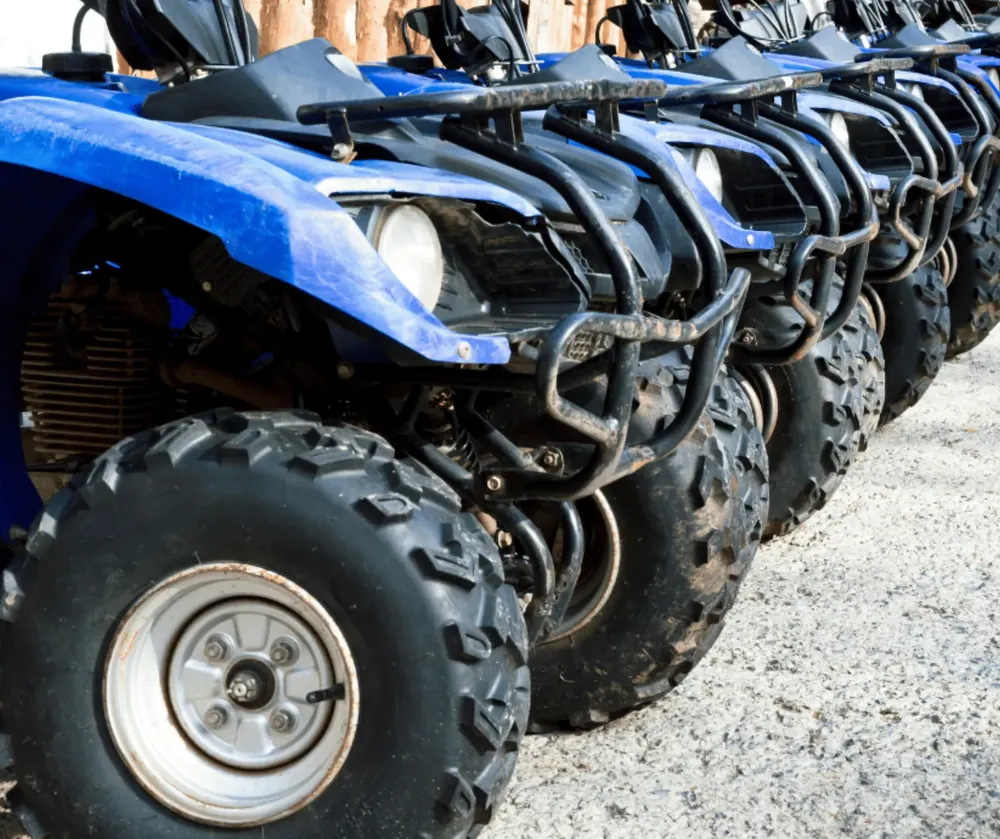
ATV riding on a trail.
Off-road crashes can involve rollovers and poor terrain conditions.

Understanding ATV / Off-Road Accidents

ATV accidents are commonly caused by rollovers, excessive speed, uneven terrain, mechanical failures, or lack of proper safety equipment. Riders are especially vulnerable to head injuries, spinal damage, fractures, and internal injuries due to minimal vehicle protection. Liability may rest with another rider, the ATV owner, a landowner who failed to maintain safe conditions, or a manufacturer if a defect contributed to the crash. Many ATV accidents occur on private land, which can complicate insurance coverage and legal responsibility. Establishing negligence often requires accident reconstruction, equipment inspection, and witness testimony. A well-prepared claim seeks compensation for medical expenses, long-term care, lost income, and permanent injuries.

Frequently Asked Questions

Yes, an ATV accident on private property can still support a claim. Landowners generally owe a duty to maintain reasonably safe conditions and warn of known hazards, so a claim may exist if unsafe terrain, hidden obstacles, or poor trail maintenance contributed to the crash. Separately, if another rider operated an ATV recklessly or a vehicle was defective, those parties can also be liable regardless of location. Which insurance applies — homeowner's, a rental company's policy, or a personal ATV policy — depends heavily on the specific property and circumstances.

Yes, ATV manufacturers can be held liable through a product liability claim when a design defect, manufacturing flaw, or inadequate warning contributed to the crash. Common examples include rollover-prone designs, steering or braking failures, and defective tires. These claims are distinct from rider-error cases and typically require expert inspection of the ATV to establish that a specific component failed or that the design itself was unreasonably dangerous, rather than the injury resulting from normal off-road riding risk.

Not wearing a helmet does not automatically prevent you from recovering compensation after an ATV accident, but it can factor into the claim in states that apply comparative negligence to safety-gear decisions. An insurer may argue that a head injury would have been less severe with a helmet, which can reduce the portion of damages tied specifically to that injury. Fault for causing the underlying crash — reckless driving, a defective ATV, or unsafe trail conditions — remains a separate question from helmet use.

Yes, reporting an ATV accident — to local law enforcement, park rangers, or the property owner, depending on where it occurred — helps create an official record of when and how the crash happened. Off-road accidents often lack the traffic cameras and other drivers present at typical car crashes, so a prompt report, along with photos of the terrain, the ATV, and any visible hazards, becomes especially important evidence for establishing what caused the crash and who may be responsible.

Get the Compensation You Deserve

Our experienced rear-end collision attorneys are ready to fight for you. No fee unless you win.

Call Now Free Review