Cargo Spill Accidents
Cargo spills can create sudden road hazards and chain-reaction crashes.
Cargo spill crashes often involve loading practices, securement issues, and carrier responsibility.
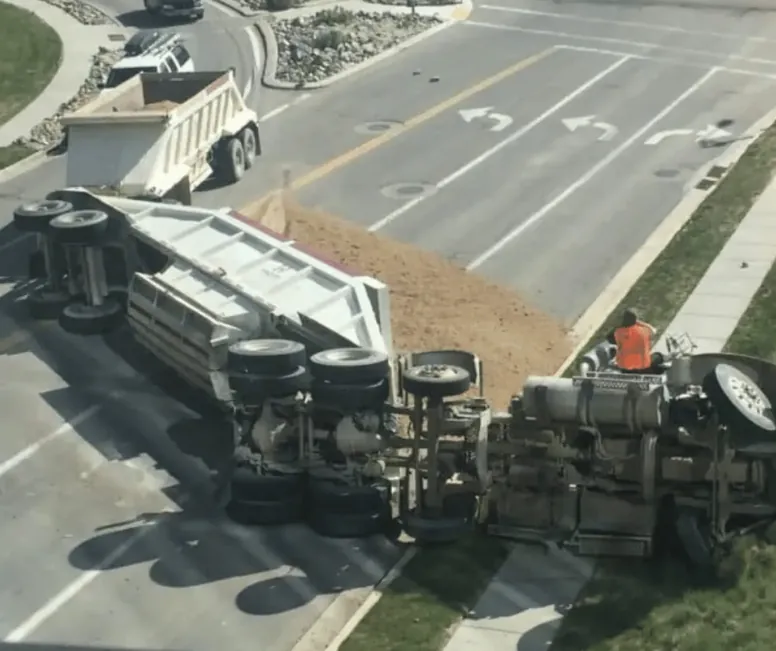
Cargo Failure and the People Caught Downstream
Cargo spill crashes are distinctive because the victims are often not the vehicle that was immediately behind the truck — they are the drivers who encounter the debris field seconds or miles later. In 2024, 85.3% of deaths in large-truck crashes involved people outside the truck. In cargo events, that circle widens to include anyone driving the road after the freight left the trailer. (Cash4Crashes analysis of NHTSA FARS 2024. Full data: Who Actually Dies in Large Truck Crashes.)
Loading records, securement inspection reports, and weight tickets establish who was responsible for the cargo — shipper, loader, or carrier — and are among the first records to seek preservation on.
Related Topics
Frequently Asked Questions
Get the Compensation You Deserve
Our experienced rear-end collision attorneys are ready to fight for you. No fee unless you win.

